
A customer-centric pricing strategy sets prices based on customer needs, perceived value, and purchasing behavior. Rather than focusing exclusively on production costs or competitor pricing, businesses evaluate what customers are willing to pay and how pricing can reflect the benefits delivered. This approach can help improve customer satisfaction, competitive differentiation, and long-term revenue growth.
webinar
Pricing Models & Customer Experience
Practical insights on pricing, customer value, and smarter growth
Join Tim Neil and Bobby Cooper for a focused conversation on how modern companies can refine their pricing strategy, understand customer behavior more deeply, and build a stronger path to sustainable growth. This session covers real examples, proven frameworks, and the mindset shifts needed to create products that customers trust and value.
The discussion moves beyond theory and offers practical guidance for teams in product, marketing, revenue operations, and customer success. Whether you are evaluating your pricing model or improving your go to market motion, this episode gives you clear ideas you can put into action.
Key Takeaways:
- Why customer value must guide your pricing strategy
- The role of data in shaping smarter decisions
- How to improve retention and expansion
- Practical advice for simplifying your pricing model
- Why transparency builds trust
- How to operationalize value based thinking across your team
Bobby Cooper is a seasoned expert in product strategy, pricing, and customer value. He is the Founder and CEO of Retention Intelligence and helps companies simplify their pricing, understand customer behavior, and make data driven decisions that support long term growth. Bobby is known for turning complex insights into clear guidance that product, marketing, and revenue teams can apply right away.
Continue learning
Usage Economy Summit
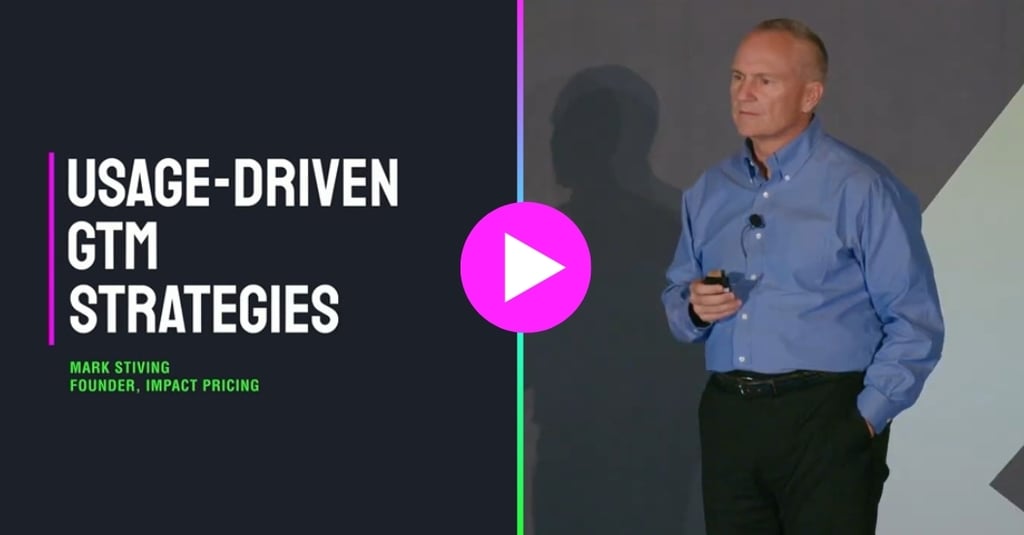
GTM Strategies for Usage-Driven Revenue
In this session, pricing expert Mark Stiving breaks down how leading organizations design go-to-market motions that not only land deals, but also retain and grow them.
Speak with an Expert
Turn Your Pricing Strategy into Revenue
Speak with a LogiSense expert to explore how you can turn pricing flexibility into a competitive advantage.
FAQ
What is a customer-centric pricing strategy?
What is the difference between value-based pricing and cost-based pricing?
Cost-based pricing determines prices by adding a markup to the cost of delivering a product or service. Value-based pricing focuses on the economic or perceived value a product provides to customers. While cost-based pricing helps businesses establish profitability thresholds, value-based pricing creates opportunities to align prices more closely with customer outcomes and willingness to pay.
How do pricing models affect customer experience?
Pricing models influence how customers evaluate, purchase, and continue using products or services. Transparent and predictable pricing can build trust, while complicated structures and unexpected charges can create dissatisfaction. Businesses that align pricing with customer expectations can reduce purchasing friction, support adoption, and strengthen long-term relationships.
How can businesses use customer data to improve pricing strategies?
Businesses can analyze product usage patterns, purchasing behavior, customer feedback, churn rates, and willingness-to-pay research to evaluate pricing performance. These insights help identify which features customers value, where pricing creates friction, and whether different customer segments require alternative pricing structures.
Can usage-based pricing improve customer retention?
Usage-based pricing can support customer retention by connecting charges to actual consumption. Customers may appreciate the flexibility to scale spending according to their needs rather than paying a fixed amount regardless of usage. However, successful implementation requires transparent metering, clear billing practices, and appropriate safeguards against unexpected costs.