

Embracing Disruption: Lessons from Business Evolution
In both business and life, disruption is a constant force. It often arrives quietly, reshaping industries before we even realize what’s happening. Companies that fail to recognize and adapt to these changes risk falling behind. From BlackBerry’s missteps to the rise of electric vehicles (EVs) and the evolving landscape of usage-based models, we can learn valuable lessons about innovation and adaptability.
Lessons from Business Evolution
The Rise and Fall of BlackBerry
Once a leader in advanced phones, BlackBerry’s decline is a classic tale of failing to pivot. Despite early dominance, the company was too focused on its keyboard-centric products. BlackBerry dismissed the potential of touchscreens, even as the iPhone and Android devices began to capture the market. This misalignment with consumer preferences, which favored browsing and visual experiences over long battery life, led to BlackBerry’s downfall.
The lesson here is clear: understanding and anticipating customer needs is crucial.
The Electric Vehicle Revolution
The automotive industry offers another compelling example. Traditional car manufacturers, like Toyota, initially resisted the shift to electric vehicles (EVs). Despite Toyota’s leadership in hybrid technology, the company was slow to embrace fully electric vehicles, allowing innovators like Tesla to capture significant market share. Tesla’s approach, focusing on software-driven user experiences and continuous innovation, highlights the importance of agility and forward-thinking in maintaining market relevance.
Sears: A Cautionary Tale
Sears, once a retail giant, failed to adapt to the rise of online shopping. Despite its history of pioneering mail-order catalogs, Sears struggled to transition to e-commerce, losing ground to more agile competitors like Amazon. This underscores the danger of complacency and the need for continual innovation, even for established market leaders.
New Business Models and Usage-Based Transactions
The rise of usage-based models is disrupting traditional pricing strategies across industries. By aligning pricing with actual usage, companies can remove barriers to entry and gain deeper insights into customer behavior. This model not only appeals to consumers seeking fairness and transparency but also provides businesses with valuable data to refine and enhance their offerings.
For example, usage-based car insurance, which adjusts premiums based on driving behavior, offers a fairer alternative to traditional insurance models. This approach is particularly appealing to younger drivers who typically face higher insurance costs.
From Ownership to Access
The Usage Economy is driving a shift from ownership to access. In the past, consumers purchased and owned physical media, such as CDs and DVDs. Today, streaming services provide instant access to vast libraries of content without the need for physical storage. This shift reflects a broader trend toward maximizing value and minimizing waste, as consumers prefer paying for what they use rather than owning seldom-used items.
The Next Frontier: Aggregation and Mediation
As the Usage Economy evolves, aggregation and mediation are emerging as new frontiers, particularly in media and entertainment. Consumers are subscribing to multiple streaming services, creating opportunities for providers to bundle and aggregate these offerings. Imagine a service that allows you to access content from multiple platforms through a single subscription. This model simplifies the user experience and enhances value, making it a compelling proposition for consumers.
Artificial Intelligence and Machine Learning
AI and machine learning represent significant opportunities for usage-based transactions. These technologies require vast amounts of data to function effectively. Companies that capture and utilize customer interaction and usage data can train AI systems to deliver tailored recommendations and insights. However, developing and maintaining advanced AI models is costly, making access-based models a viable solution. Businesses can share the costs of AI development, gaining access to powerful tools without the need for substantial individual investment.
Monetizing AI
The future of AI will likely involve complex monetization strategies. Access to highly trained AI models may be sold on a usage basis, similar to how mainframe computing time was rented decades ago. This approach allows businesses to leverage AI capabilities without incurring prohibitive development costs, democratizing access to advanced technology.
Conclusion
Disruption is an inevitable part of business evolution. Companies that recognize and adapt to new models and technologies will thrive, while those that cling to outdated practices risk obsolescence. From BlackBerry’s decline to Tesla’s rise, the lessons are clear: innovation, agility, and a deep understanding of customer needs are essential for success in a rapidly changing world. Embracing the Usage Economy and leveraging emerging technologies like AI will be key to staying competitive and driving future growth.
CFO Bookshelf's Mark Gandy hosts Adam Howatson, CEO - LogiSense
Consumers and business students know the subscription economy, but what about the Usage Economy? How does it differ, and why does it matter? Watch the podcast below to learn more.


Continue learning
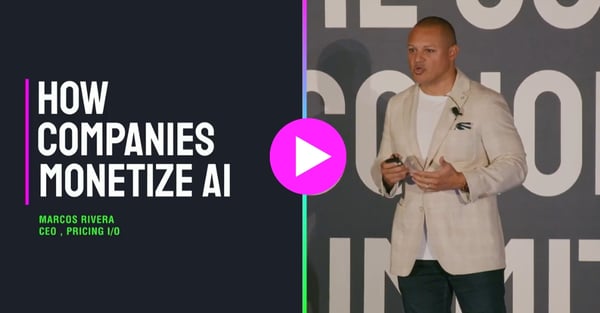
How Companies are Monetizing AI Today

Turn AI innovation into revenue
LogiSense Blog
Latest articles
Selecting a real-time usage rating platform requires more than comparing feature lists.
Product teams are under constant pressure to ship faster, add new capabilities, respond to customer demand, and increasingly, embed AI into their...
Every discussion about AI eventually arrives at the same question:
Usage-based pricing is giving SaaS companies more flexibility in how they package and sell their products. Instead of charging every customer the...
For years, network growth was relatively predictable.